Bringing Dharma to you
Essays, panel recaps, and reflections on Dharma in the modern world.
Reclaiming the Conversation: An Upanishadic Blueprint for the Digital Generation Gap
The generation gap isn't new — the Kaṭha Upaniṣad mapped it long ago. A four-stage blueprint, drawn from the dialogue of Naciketas, for bridging elders and a digital-native generation.
Read the essay →DDA '26 Themes
Panel recaps from Houston, June 2026
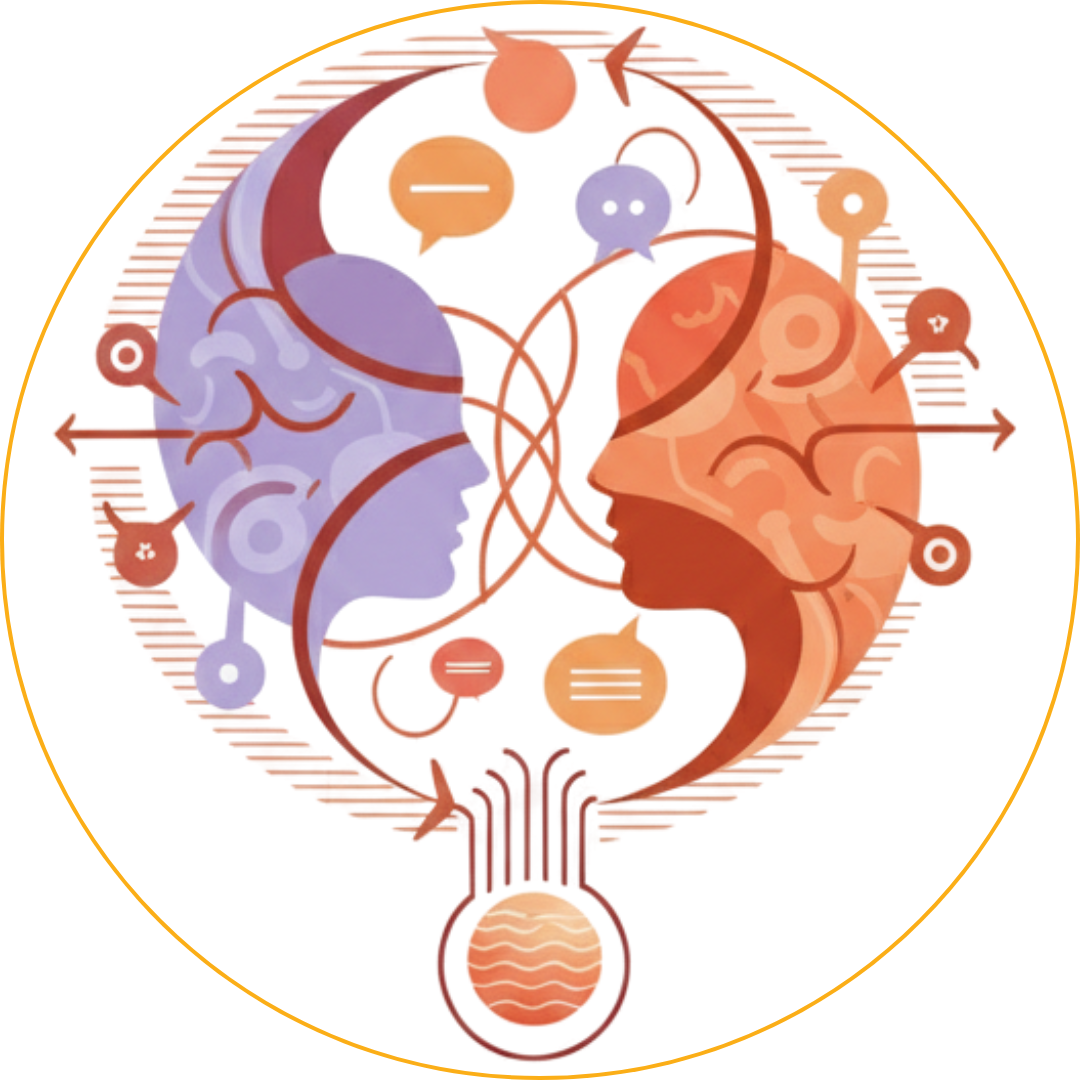
Conversations Across Generations
Meaningful cross-generational dialogue is driven by the heart, not the mind — how families transmit Dharma in a way no algorithm can replace.
Read recap →
Spirituality in the Age of Algorithms
Technology is built to capture attention; Dharma is built to free it. Finding the pause — and the stillness — in the noise.
Read recap →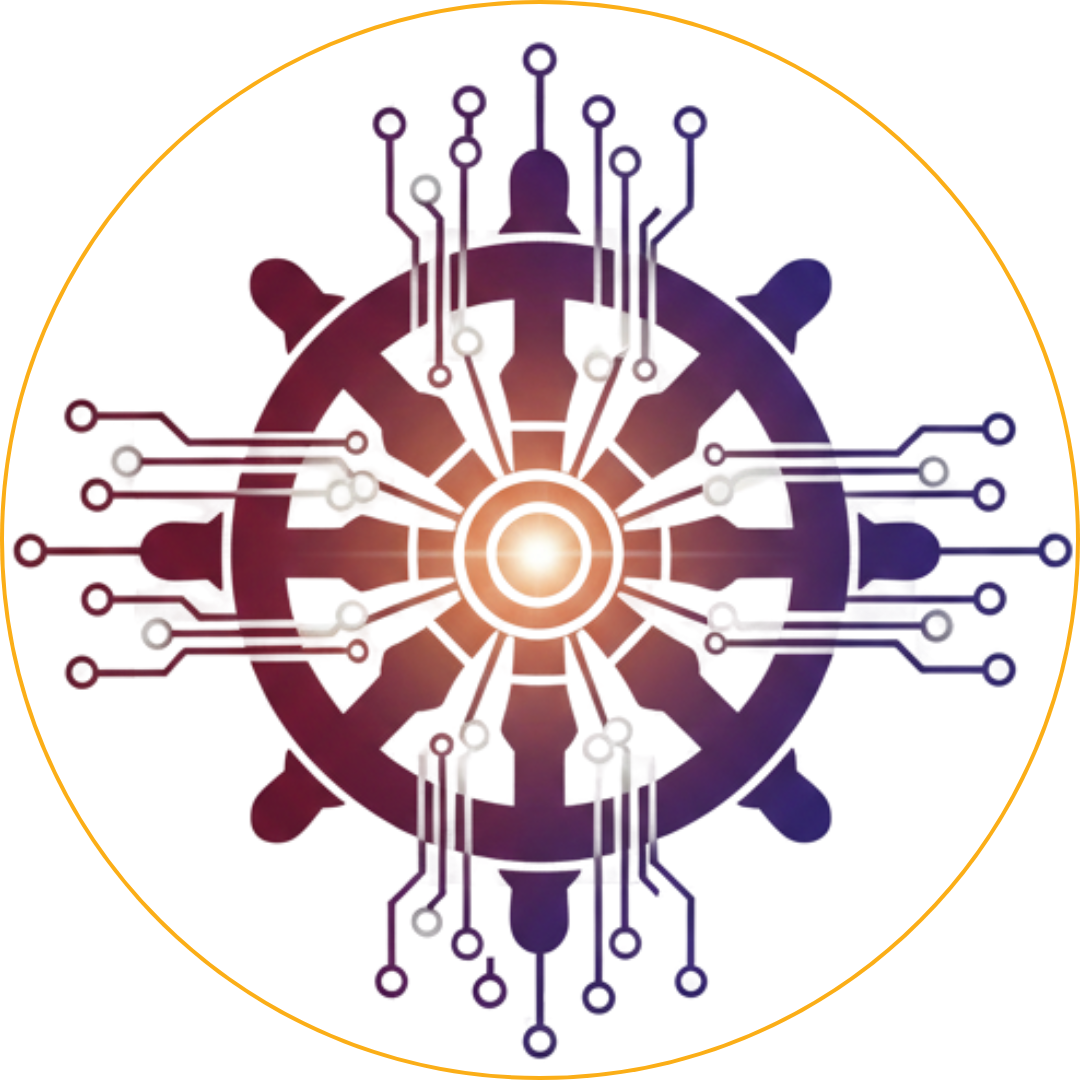
Aligning Technology with Dharma
Two algorithms: one optimizes for engagement, the other for truth and liberation. A Dharmic lens on building AI we can actually trust.
Read recap →
Education: Learning Beyond Data
When AI can pass any exam, what is education actually for? Moving from data to wisdom — and why the guru still matters.
Read recap →
Sustainability: From Exploitation to Equilibrium
Stop being the centre of nature; start being part of it. From an extractive worldview to one of equilibrium and rina — debt to all life.
Read recap →
Health Beyond Medicine
Are you healthy, or just "not sick"? Why true wellbeing is multidimensional — and begins long before the doctor's visit.
Read recap →Essays
From the DCF archive, 2016 – 2023
Many Truths of the One Reality
Ekaṁ sad viprā bahudhā vadanti — a close reading of the celebrated Rig Vedic adage, rasa, and the ground of genuine interfaith dialogue.
Read the essay →Reflections on studying Hinduism and what India has to offer
India has no adjective to define it. A reflection, prompted by Wendy Doniger's "alternative history," on why India cannot be put into a single framework.
Read the essay →The Three Motivations for DCF's work
Engage the students of the diaspora, create a community of scholars, and develop Dharma-centered solutions — the three motivations behind funding the study of Dharma in mainstream universities.
Read the essay →The Why of DCF
Why a more authentic Indian self-understanding — grounded in Dharma and Moksha rather than Western presuppositions — matters for India and for humanity.
Read the essay →Constitutional Confusion
Article 28-1 bars religious instruction in state-funded institutions — yet Jamia Millia Islamia runs a Department of Islamic Studies. How, and what it means for the majority community.
Read the essay →The Two Visions of India
Forget the past and westernize — or recover the wisdom of a civilizational heritage? The two ideas of India behind its great secular–communal divide.
Read the essay →The Future of Hinduism in America's Changing Religious Landscape
With the rise of the religious "nones," the choice for a new generation of Hindu Americans is not between Hinduism and another religion — it is between being Hindu and being non-religious.
Read the essay →The Lens of Suspicion
Marx, Nietzsche and Freud — and how the "hermeneutics of suspicion" came to dominate the academic study of religion, and of Hinduism in particular.
Read the essay →Studying Hinduism through the Lens of Suspicion
Two examples — a Marxist reading of Varna and a psychoanalytic reading of Sri Ramakrishna — of how the hermeneutics of suspicion distorts the study of Hinduism.
Read the essay →The Transmission of Dharma
A civilization rests on its ability to transmit itself. The many oral strands — from Shruti–Bhashya to Guru–Shishya — that have kept Sanatana Dharma alive.
Read the essay →Silencing the Voice of the Indigenous: The Aryan Invasion/Migration Theory
From a World History Association roundtable — the colonial origins of the Aryan Invasion/Migration Theory, and the indigenous evidence mainstream academia continues to sideline.
Read the essay →